
The Brand, Brand Identity, Logos and Taglines
Your brand is more than a name or a logo—it’s the story, values, and promise you communicate to your customers. From designing a memorable logo and creating a catchy tagline to developing a consistent brand identity, every element helps you stand out, build trust, and create emotional connections with your audience. This section will guide you through crafting a brand that truly represents your business and resonates with your customers.
-
Branding & Brand Identity: What Your Business Stands For
Your brand is the relationship you build with your customers. It’s more than just a logo or a name—it’s the feeling people have when they hear about your business, see your product, or walk into your store. A strong brand helps customers recognize you, trust you, and choose you over the competition. Over time, this builds brand equity, which is the value your business earns from its good reputation.
How Strong Is Your Brand Name?
Brand names vary in strength, and that strength affects how memorable and protectable they are:
Strongest: Coined or Arbitrary Names
Examples: Starbucks, Windows, Exxon, GAP, Kodak, AllegraLess Strong: Suggestive Names
Examples: Southern Comfort, Igloo, Wonderware, Verilux, Quicken, Nautica, AdvairNot Very Strong: Descriptive Names
Examples: International Business Machines (IBM), General Electric (GE), General Motors (GMC), Old English Antique Shoppe, Advanced Computer Associates, Catering and More, TurboTaxWeak/Generic Names (Hard to Protect)
Examples: Convenient Food Mart, Tasty Candies, Supermarket
Some strong brand names even lose their uniqueness over time because people start using them as generic terms—for example: aspirin, escalator, cellophane, linoleum, kerosene, yo-yo, bikini.
Today, brands like Scotch Tape, Kleenex, Xerox, and Advil risk the same issue if not protected carefully.What Is Brand Identity?
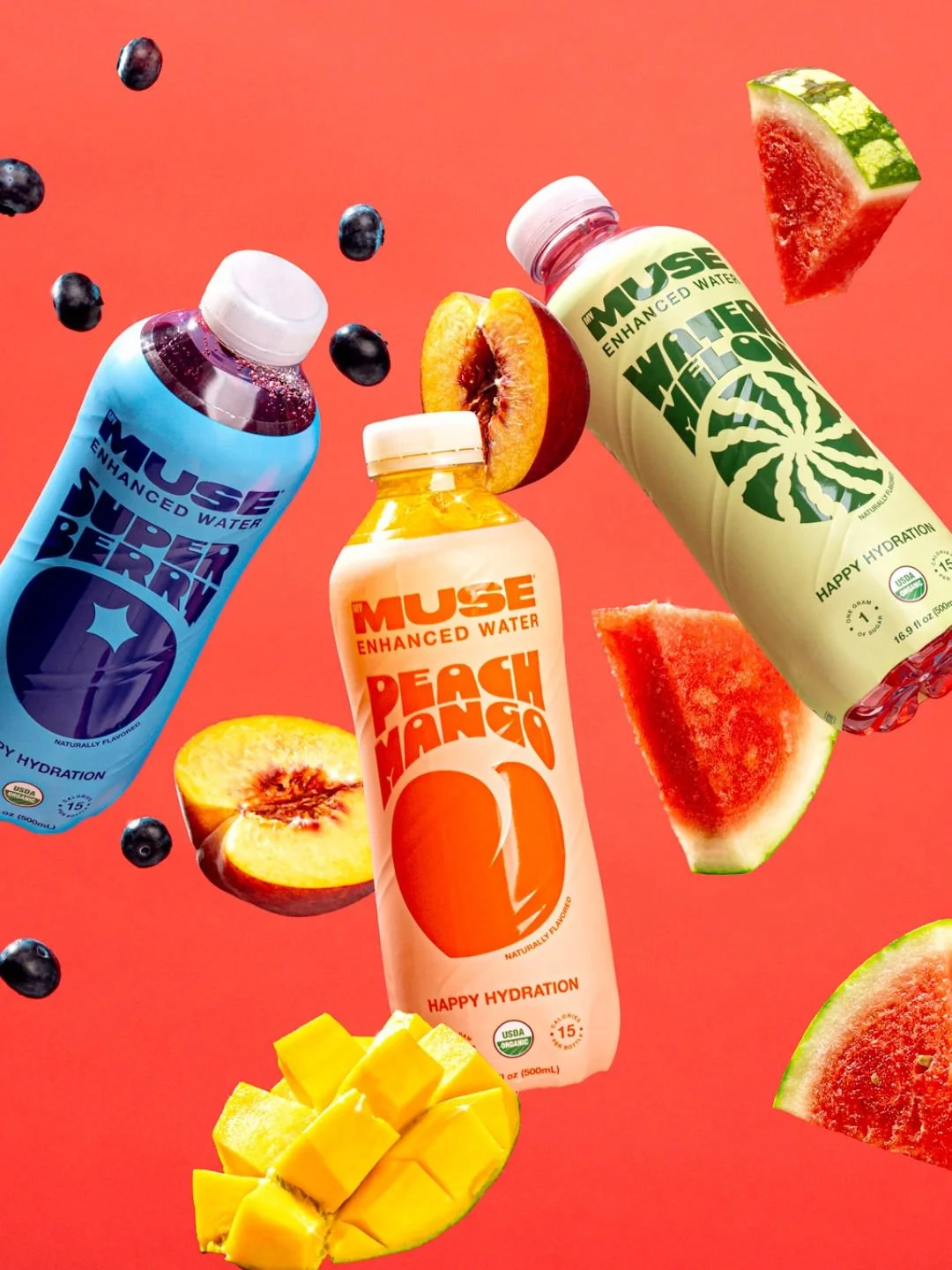
Brand identity is everything customers can see, touch, or hear that represents your business:
your colors, logo, design style, symbols, packaging, and even the way your brand “sounds.”
Strong identity helps customers recognize you instantly and understand what makes you different. It turns all the separate pieces of your brand into one clear, consistent system.What This Means for You
As a small business owner, your goal isn’t just to come up with a clever name. You want a name and visual identity that reflect your mission, your values, and the story behind your business. That’s what helps customers connect with you on a deeper level and keeps them coming back.
-
Creating a Logo That Truly Represents Your Business
For many small business owners, your logo is often the first impression customers get of your brand. And when you work with someone to design it—whether a consultant, student, or designer—it’s important that the process helps you shape the final result, not the other way around. A good logo isn’t just “pretty.” It communicates your story, your values, and the feeling you want customers to have when they interact with your business.
Start With the Purpose of Your Logo
Before designing anything, take time to think about what you want your logo to do.
Ask yourself questions like:“What do I want people to feel when they see my logo?”
“Will I be using it online, on packaging, on uniforms, or on signs?”
This step helps you define the real goal—whether you want to look more professional, stand out in a crowded market, highlight your mission, or appeal to a specific type of customer.
Co-Design Your Logo
Instead of having someone design a logo for you, the best approach is to design it with you. This means looking together at what’s working (or not working) in your current branding. You might already have colors you like, symbols that reflect your story, or feedback from customers about what confuses them.
Tools like inspiration boards, competitor reviews, or quick sketches help you visualize ideas and make decisions based on what communicates your message—not just what’s trendy.
Build Your Own Branding Skills
As you work through logo options, try out more than one idea and get feedback from customers, family, or community members. Mockups—like putting the logo on a product, a flyer, or a website—can help you see what feels right.
When the logo is finished, you should walk away with more than just an image. Make sure you receive a simple brand kit that includes:
Your color codes
Fonts used
Multiple file formats (PNG, JPG, SVG, etc.)
Guidelines for using the logo
This makes it easier for you to use your logo consistently without needing a designer every time—especially important when you’re working with limited resources.
Tools You Can Use
Today, you don’t need expert design skills to create a strong logo. User-friendly tools like Canva, Adobe Express, and Looka/LogoMaker by Design.com make logo creation simple and accessible for entrepreneurs.
Example: The “Comforted” Brand
One of our entrepreneurs, Marketo Michel, created a beautiful brand called Comforted. As a faith-based musician, she built this brand to transform funeral experiences through the comforting music she provides. Her target market is not only families, but also funeral homes and churches, who often guide the planning process. Her logo and brand identity communicate peace, compassion, and professionalism—perfectly aligned with her mission.
-
🔧 Tools: Free Canva Branding Tools
-
Creating a Tagline That Sticks With Your Customers
A tagline is a short, memorable phrase that captures the heart of what your business does for customers. Think of it as a quick message that tells people who you are, what you stand for, or why they should choose you. Unlike a short-term advertising slogan, a good tagline lasts for years and becomes part of your brand identity—just like Avis’s classic “We Try Harder.”
What Makes a Strong Tagline?
A great example is Nike’s “Just Do It.”
Even though Nike sells shoes, sportswear, and equipment, the tagline communicates something bigger: motivation, action, confidence, and striving for your best. That message reinforces the entire brand, not just a product.Here are more examples of powerful, long-lasting taglines:
The Farmer’s Dog: “Pets Deserve Real Food Too”
Airbnb: “Belong Anywhere”
Apple: “Think Different”
BMW: “The Ultimate Driving Machine”
McDonald’s: “I’m Lovin’ It”
Dunkin Donuts: “America Runs on Dunkin”
Bounty: “The Quicker Picker-Upper”
State Farm: “Like a Good Neighbor, State Farm is There”
U.S. Marine Corps: “The Few. The Proud. The Marines”
DeBeers: “A Diamond is Forever”
Each of these taglines clearly expresses what the business wants customers to feel: trust, speed, belonging, strength, convenience, inspiration.
A Local Example From SBEAP
One example from our own program is Kingdom Closet, a local thrift boutique created by a South Bend church. The store exists to support kids who need access to clothing and accessories. Their tagline, “Faith, Fashion, Fun,” highlights the three things customers experience there: spiritual care, stylish options, and a welcoming community environment.
Tools to Help You Brainstorm
If you need help getting started, there are free online tools that can spark ideas or help you refine your message:
Shopify Slogan Maker
Oberlo Slogan Generator
Getsocio
TheSloganGenerator.org
Procato
Slogans.xyz
ZenBusiness Tagline Generator
These can be great for inspiration—but the best taglines come from the heart of your story and the value you bring to customers.
-